



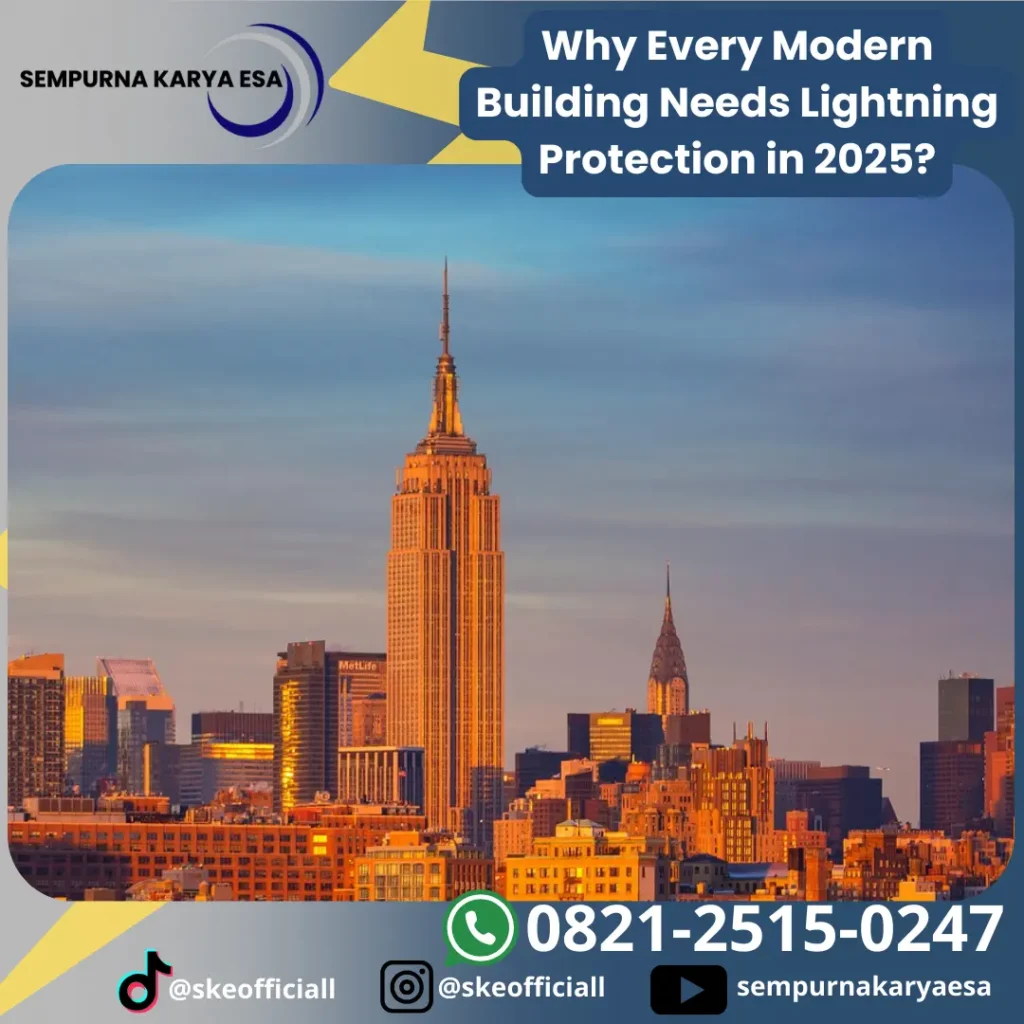
Why Every Modern Building Needs Lightning Protection in 2025?
Why Every Modern Building Needs Lightning Protection in 2025?
In today’s fast-paced world, technology and infrastructure are advancing at an unprecedented rate. Skyscrapers dominate city skylines, data centers power digital economies, and smart homes are becoming the norm. Yet, amidst these modern marvels lies a force of nature that remains as unpredictable and destructive as ever: lightning. In 2025, as climate change contributes to more extreme weather events, the need for lightning protection in every modern building is not just advisable—it is essential.
The Growing Threat of Lightning Protection in 2025
According to global meteorological data, lightning strikes the Earth approximately 8 million times every day. With rising global temperatures, thunderstorms are becoming more frequent and more intense. Countries located in tropical and equatorial regions, such as Indonesia, Brazil, and parts of Africa, face particularly high lightning density.
In 2025, the risks are amplified because:
-
Urban expansion means more tall buildings and high-rise apartments that act as natural lightning targets.
-
Smart technologies such as IoT devices, automated systems, and electric vehicles depend on sensitive electronics that are highly vulnerable to surges caused by lightning strikes.
-
Critical infrastructures like hospitals, airports, and data centers cannot afford downtime caused by electrical damage or fires.
Without adequate lightning protection, the potential damage is not limited to property—it can also result in significant financial losses, data destruction, and even endanger human lives.
What Is Lightning Protection?
Lightning protection is a system designed to safeguard buildings and their occupants from the destructive effects of lightning strikes. A typical lightning protection system (LPS) consists of:
-
Air Terminals (Lightning Rods): Installed at the highest points of a building to intercept lightning strikes.
-
Down Conductors: Conduct the lightning current safely from the air terminal to the ground.
-
Grounding System: Disperses the lightning current harmlessly into the earth.
-
Surge Protection Devices (SPD): Shield electrical and electronic systems from voltage surges caused by lightning.
Together, these elements form a path of least resistance, ensuring that lightning energy is diverted away from critical structures and equipment.
Why Modern Buildings Cannot Ignore Lightning Protection
1. Protection of Human Life
The primary purpose of any building is to provide a safe environment for its occupants. A lightning strike on an unprotected building can result in fire, structural collapse, or electrocution risks. Installing lightning protection directly reduces these hazards.
2. Safeguarding Critical Electronics
Modern buildings rely heavily on electronic devices—security systems, smart appliances, servers, and HVAC controls. Even a small surge from a nearby lightning strike can damage these systems, leading to expensive repairs or replacements. Surge protection is no longer optional—it is a necessity.
3. Compliance With Safety Standards
In 2025, many governments and industry regulators enforce building codes that mandate lightning protection, especially for high-rise, commercial, and public facilities. Compliance not only ensures safety but also helps avoid legal liability in case of lightning-related accidents.
4. Minimizing Financial Losses
The cost of lightning protection is minimal compared to the potential financial losses caused by damage, downtime, and insurance claims. For businesses, even a few hours of downtime can translate into thousands or millions of dollars in lost revenue.
5. Sustainability and Resilience
As the world shifts toward sustainable construction, building resilience against natural hazards like lightning is part of long-term planning. Protecting renewable energy systems—such as rooftop solar panels and wind turbines—from lightning strikes ensures energy reliability and sustainability goals.
Case Studies and Real-World Examples
-
Data Centers: In regions with high lightning activity, unprotected data centers have suffered catastrophic data loss due to surges. In contrast, facilities equipped with advanced lightning protection and surge suppression systems report minimal disruptions.
-
Hospitals: Life-saving equipment such as ventilators, MRI machines, and surgical robots cannot risk downtime. Many modern hospitals have invested in comprehensive lightning protection systems to ensure uninterrupted services.
-
Residential High-Rises: Apartment complexes in lightning-prone cities are increasingly required by building codes to include lightning rods and grounding systems to protect residents.
These examples underline the reality: ignoring lightning protection is no longer an option for modern infrastructure.
The Role of Smart Lightning Protection in 2025
Technology has revolutionized lightning protection systems. Unlike traditional rods and conductors, today’s solutions include:
-
Early Streamer Emission (ESE) Air Terminals that extend the protection radius.
-
Intelligent Surge Protectors that automatically disconnect during extreme surges.
-
Monitoring Systems that provide real-time alerts about the status of the grounding system and surge protectors.
These innovations ensure that lightning protection keeps pace with the increasing sophistication of modern buildings.
The Role of Professional Installation
Lightning protection is not a DIY project. Improperly installed systems can be ineffective or even dangerous. Professional service providers, such as PT Sempurna Karya Esa in Indonesia, offer comprehensive solutions that follow SNI and international standards. From risk assessments to installation and maintenance, their expertise ensures buildings are truly safeguarded.
Safety for the Future
In 2025, lightning protection is no longer a luxury—it is a necessity. The combination of climate change, smart building technologies, and increasing lightning frequency makes unprotected buildings a ticking time bomb. By investing in a proper lightning protection system, building owners can ensure safety, compliance, and peace of mind.
Every modern building, big or small, needs lightning protection. The cost of installation is small compared to the potential damage and human risks.
If you’re building or managing property in 2025, don’t wait for disaster to strike. Protect your assets, protect your people—install lightning protection today.
Investment vs. Cost of Damage
Some building owners hesitate to install lightning protection due to perceived costs. However, statistics show that:
-
The cost of a lightning protection system typically accounts for less than 1% of total construction costs.
-
Lightning-related damages worldwide amount to billions of dollars annually, affecting insurance claims, repairs, and business interruptions.
In other words, lightning protection is not an expense—it is an investment in security and peace of mind.
Lightning Safety Is Non-Negotiable
As we move deeper into 2025, lightning remains a timeless natural force that respects neither technology nor progress. Every modern building—whether a residential high-rise, commercial office, hospital, or industrial facility—must be equipped with a reliable lightning protection system.
Lightning protection saves lives, protects valuable assets, ensures regulatory compliance, and secures the future of modern infrastructure. In an era where resilience and safety are paramount, installing lightning protection is not just a best practice—it is a non-negotiable requirement for every building that aspires to stand strong against the forces of nature.
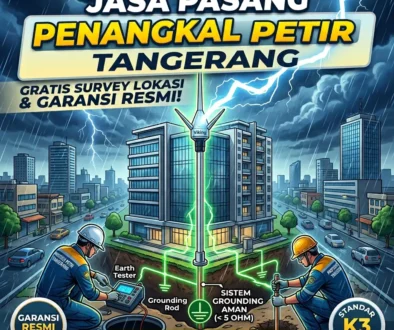
Butuh Jasa Pasang Penangkal Petir tangerang lengkap dengan groundingnya? Hubungi Kami : 0821-2515-0247
Ingin tahu info tentang Jasa Pasang Penangkal Petir Tangerang maupun info penyalur petir lainnya?
Simak terus artikel terbaru dari www.pasangpenyalurpetir.com
Untuk info lebih lanjut mengenai produk maupun jasa pemasangan anti petir, konsultasikan kepada Tim Ahli Kami di 0821-2515-0247